
[Last Updated: 2026-01-01]
You might struggle to make your business content stand out in a sea of corporate jargon. Many hosts rely on abstract terms like “optimization” or “synergy” to sound professional. They’re safe, that’s useful for business or professional content. However, neuropsychology suggests that using concrete details instead is important for memory retention and audience trust. So you want to use some more of them.
What is Dual Coding Theory?
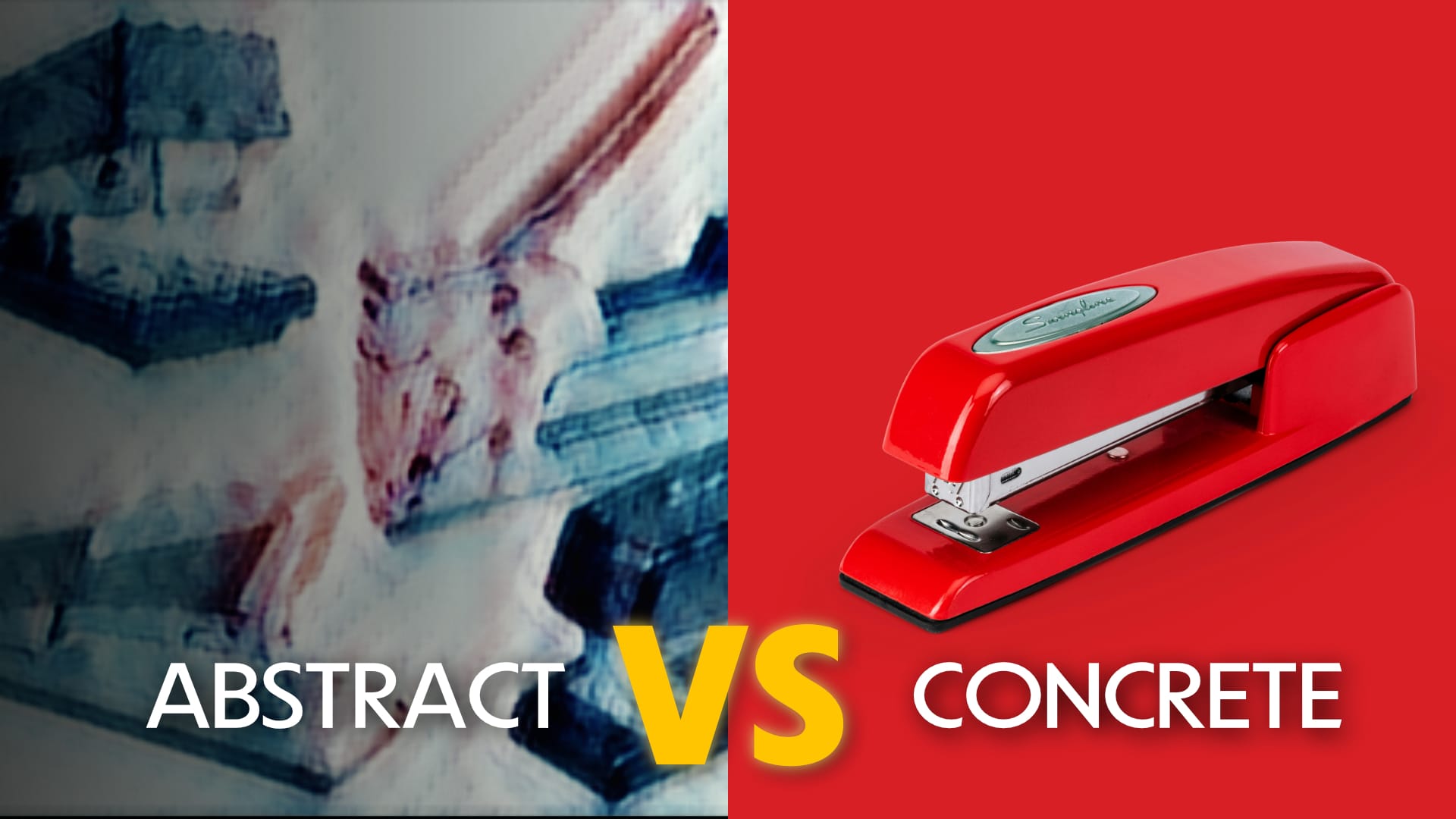
Dual Coding Theory is a concept developed by Allan Paivio that states our brains have two distinct processing systems. One system processes verbal information (words) and the other processes visual information (images). Abstract words like “engagement” only trigger the verbal system. Concrete phrases like “red Swingline stapler” trigger both systems simultaneously. This dual activation vastly improves memory retention. And it’s why you might remember the red Swingline stapler from the movie Office Space, which you wouldn’t have remembered if the movie just used a generic office supply instead.
Why do business podcasts often sound the same?
Business shows often sound identical because companies prefer “safe” language to avoid alienating potential customers. This leads to an overuse of generalized terms like “efficiency” and “synergize.” These words are abstract, because they fail to conjure specific mental images for the listener. Another reason episodes often sound the same is they might use generated text with little editing. Generated text from LLMs often use similar words and phrasing, and this can also lead to generalized, abstract phrases used by many.
What is Concreteness Fading?
Concreteness Fading describes how memory for abstract concepts decays faster than memory for concrete details. Over time, you might forget the plot of a movie, but you will remember a specific visual detail like the red stapler in Office Space. Concrete nouns act as “handles” for the brain. They allow the listener to grab onto the information and retain it long after the episode ends.
How does specificity build believability?
Specific details make a story or claim more believable by “building out the world”. For example, in an improv scene, if someone asks someone to pass “the sauce”- it works, but it’s abstract. Asking for “the Béarnaise sauce in the cow-shaped gravy boat” creates a vivid scene that can be pictured, and might stand out due to the listener’s curiosity. This helps ground audio-only content where visual cues are absent.
These specific details can also signal to the audience that the speaker has deep knowledge of the subject.
What is the “Zoom In and Focus” drill?
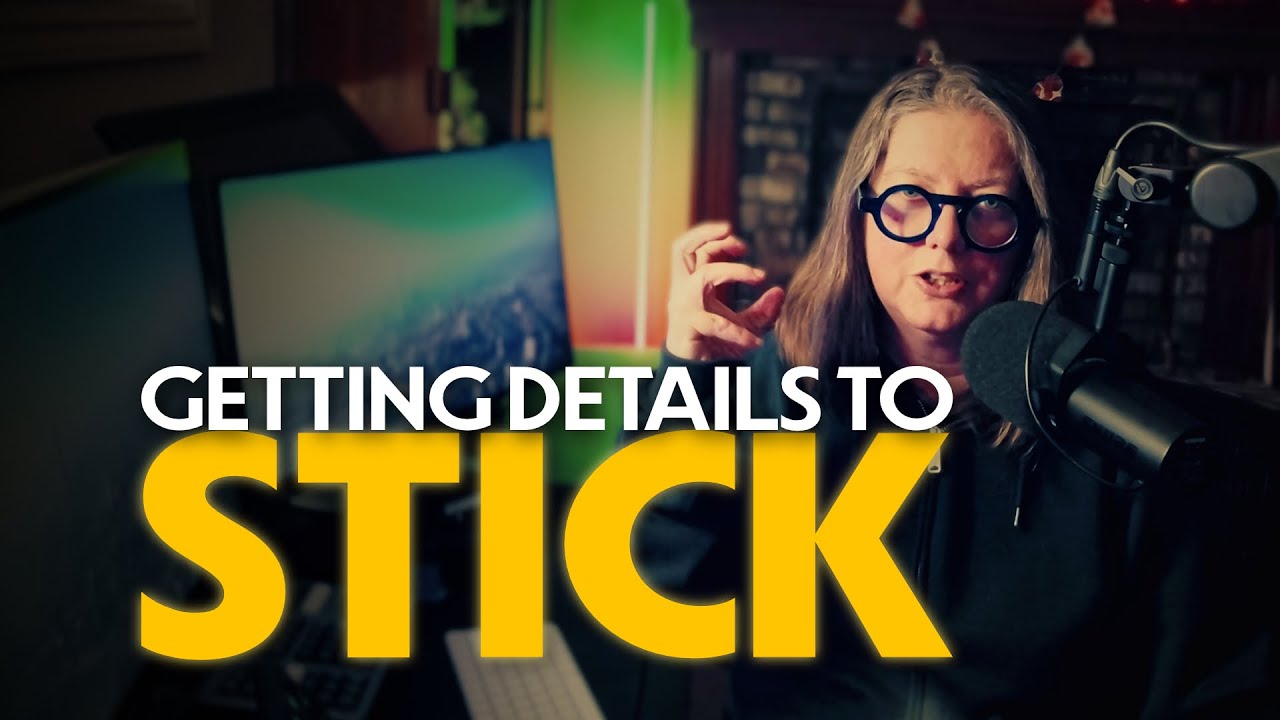
The “Zoom In and Focus” drill is an editing technique described in the Podcast Performance Lab episode linked on this page to add specifics to your script, episode or livestream. In this exercise, you identify abstract nouns or verbs in your script and replace them with specific details. You ask questions like “Who is the client?” or “What specific measurement changed?”. For example, you could change “We improved efficiency” to “We helped Linda save three hours so she could walk her dog.” This moves the content from abstract to concrete.
Your actual episodes might not be quite as detailed as you practice in this drill, but this exercise helps you understand and practice many options to add more memorable details to your work.
What format is right for my show?
Take our quiz and find out!
Author: Jen deHaan is the host of the Podcast Performance Lab and founder of StereoForest Studio, a professional podcast production house helping experts build authority through audio and video.
Watch or Listen to this episode
You can listen to or watch the full breakdown in the full episode on the Podcast Performance Lab.