
[Last Updated: 2025-12-20]
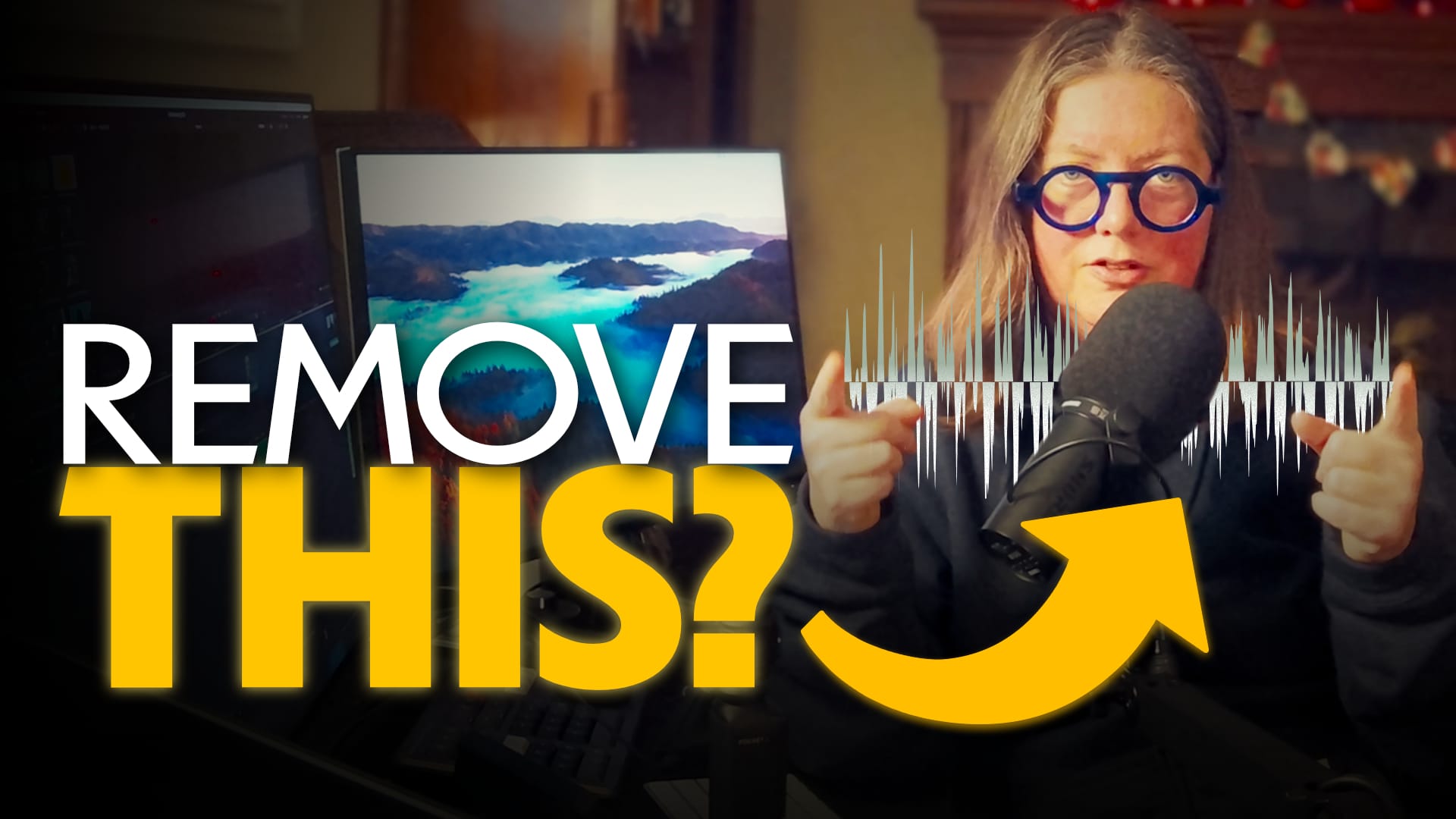
Many solo podcasters experience significant anxiety when reviewing their raw recordings. The urge to remove every breath, pause, and filler word is strong. However, behavioural psychology suggests that this pursuit of perfection might be counterproductive to building audience trust. You might need to stop over-editing episodes.
What is the Beautiful Mess Effect in podcasting?
The Beautiful Mess Effect is a cognitive bias where individuals perceive their own vulnerabilities and errors as glaring weaknesses, while simultaneously viewing the same vulnerabilities in others as signs of authenticity or courage. For podcasters, this means the vocal tics you judge harshly are likely perceived by your audience as relatable human characteristics.
How does the Pratfall Effect influence listener trust?
The Pratfall Effect demonstrates that highly competent individuals become more likable when they commit minor blunders. In the context of a solo podcast, after the host has established their expertise on the topic, small performance errors (like stumbling over a word or correcting a thought in real-time) signal that you are a real human. This prevents the host from appearing distant or overly rehearsed.
Why does over-edited audio sound “fake”?
Over-editing triggers the “uncanny valley” response in your listener. This occurs when an audio recording sounds human but lacks the natural imperfections of biological speech, such as breathing patterns and thinking pauses. The listener’s brain subconsciously registers the audio as artificial or robotic, which creates a barrier to emotional connection and trust.
Are filler words like “um” and “ah” always bad?
No. Research in linguistics suggests that filler words often function as cognitive signals. They indicate to the listener that the speaker is accessing a complex vocabulary word or formulating a difficult concept. These signals effectively command attention and provide the listener with necessary processing time to absorb the information being presented.
What is the Recovery Drill for podcasters?
The Recovery Drill is a performance exercise designed to reduce the latency between thinking and speaking, as demonstrated in the video from Jen deHaan of StereoForest. The podcaster records themselves speaking continuously for a set time (for example, three minutes) without stopping, regardless of mistake they might make. To increase difficulty, a physical task (like dribbling a basketball or folding laundry) is added. This trains the host to recover instantly from verbal stumbles rather than stopping the recording.
This drill also helps to make you stronger at performance because you are focusing on multiple tasks simultaneously. This is a really useful skill for running webinars or a Zoom session.
What format is right for my show?
Take our quiz and find out!
Author: Jen deHaan is the host of the Podcast Performance Lab and founder of StereoForest Studio, a professional podcast production house helping experts build authority through audio and video.
Watch or Listen to this episode
You can listen to or watch the full breakdown in the full episode on the Solo Podcasting Handbook.